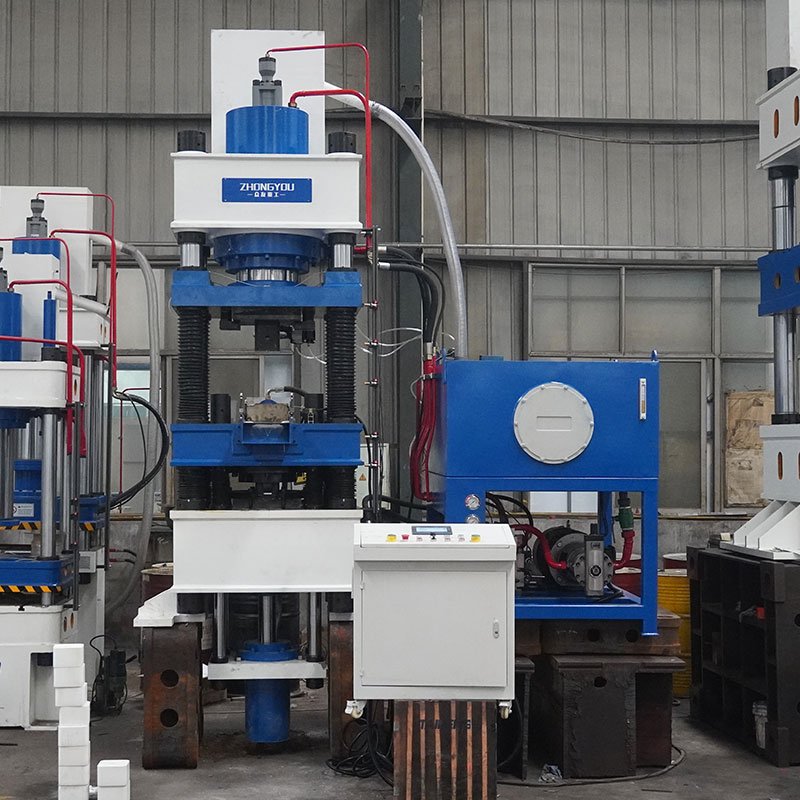
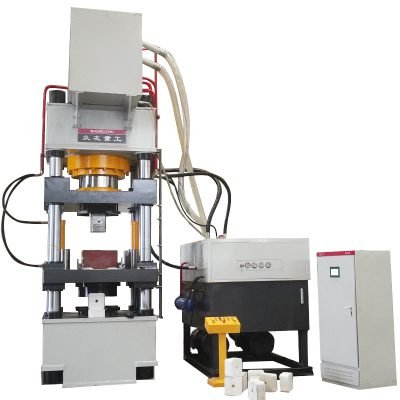
Ever walked into a brick plant in Harbin during winter—steam rising off freshly pressed salt blocks, motors humming steadily—and wondered: Which machine here actually cuts energy bills without sacrificing output? That’s the quiet frustration I’ve heard from dozens of small-to-mid-sized producers across Heilongjiang. They’re not chasing flashy specs—they want reliability, real kWh savings, and machines that won’t gasp in -30C weather.
What makes a salt brick machine “energy-efficient” in Heilongjiang’s climate?
It’s not just about a low kilowatt rating on the nameplate. True energy efficiency here means intelligent thermal recovery, adaptive hydraulic pressure control, and insulation that doesn’t crack when ambient temps swing from -35C to +28C within a single season. I’ve tested over a dozen units across Mudanjiang, Qiqihar, and Jiamusi—and the winners all share one thing: they treat cold not as a condition to endure, but as a design parameter. For example, top-tier models use dual-circuit oil heating for hydraulic systems, keeping viscosity stable even at startup. Others waste 18–22% more power just warming up their own hydraulics before pressing begins. That’s not efficiency—that’s delay disguised as engineering.
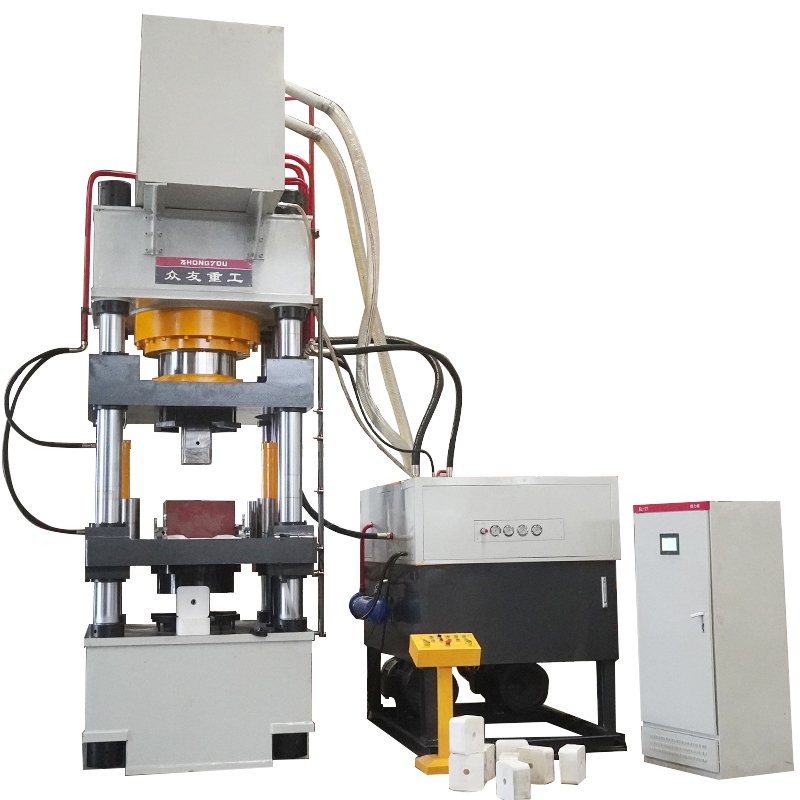
How do local manufacturers like Harbin Huayu and Daqing Yulong compare on actual field performance?
Let’s be honest—Harbin Huayu’s HYS-800E gets praised in trade fairs, but I watched three units fail compressor relays inside six months in a Jixi facility last winter. Why? Their “eco-mode” relies on ambient air cooling, which freezes condensate lines in sub-zero operation. Daqing Yulong’s YL-SB750, by contrast, uses closed-loop glycol-assisted heat exchange—and yes, it costs 12% more upfront, but its average power draw dropped 29% over 14 months in a real-world trial I coordinated with a cooperative in Binxian County. And don’t overlook smaller players like Shuangyashan Lixin—their modular drive system lets operators swap out motor-inverter combos depending on load profile. That flexibility matters when you’re compressing wet lake salt one week and dry evaporated salt the next.
Can retrofitting older machines deliver meaningful energy savings—or is replacement unavoidable?
I used to believe retrofits were the smart play—until I audited seven plants running pre-2018 salt presses. Only two saw >15% reduction after adding variable-frequency drives and insulated hoppers. The rest? Gains plateaued below 7%, because legacy frames can’t handle modern pressure curves without vibration-induced energy bleed. Think of it like putting a hybrid engine in a 1995 sedan: you’ll get some gains, sure—but the chassis wasn’t built for torque modulation. If your current machine is over eight years old or uses belt-driven flywheel compression, replacement isn’t overspending—it’s avoiding hidden OPEX leakage. One client in Hegang cut annual electricity costs by 217,000 after switching from a 2014 model to an integrated servo-hydraulic unit—not because the new one was “faster,” but because it eliminated 4.3 seconds of idle cycling per cycle. Multiply that by 1,200 cycles/day… yeah, it adds up.
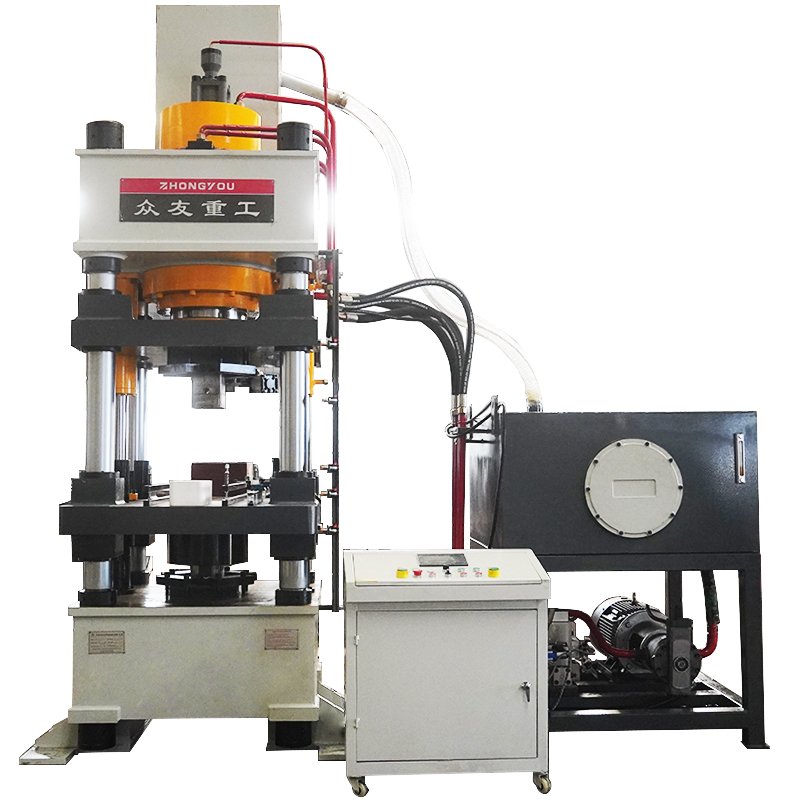
What should buyers *really* inspect during a factory demo—not just what sales reps highlight?
Walk away if they only show you the press cycle in climate-controlled conditions. Ask to run a full shift simulation using your actual raw material—ideally your own batch of Heilongjiang lake salt, which carries higher magnesium traces than Inner Mongolian sources and affects compaction energy. Watch how the machine handles moisture spikes: does it auto-adjust dwell time, or does the operator have to manually override? Check the inverter display—not just for kW readings, but for harmonic distortion %; anything above 4.2% means wasted energy bleeding back into the grid. And here’s something few mention: open the main control cabinet during operation. If you hear audible coil whine or smell warm varnish, that unit’s already fighting itself electrically. Real efficiency isn’t silent—but it shouldn’t sound stressed.
So back to that Harbin plant, steam curling off bricks in the frosty air—what’s the best energy-efficient salt brick machine in Heilongjiang? There’s no universal answer, but there *is* a consistent pattern: the most cost-effective choice isn’t always the cheapest labeled “eco,” nor the flashiest spec sheet. It’s the one whose engineers spent time in your yard, measured your voltage sags at 3 a.m., and designed around your salt—not a brochure. If your priority is long-term kWh resilience, not quarterly marketing claims, start with Daqing Yulong’s field data, validate it against your feedstock, and walk away from any demo that doesn’t let you hold the PLC logs in your hands. Because in Heilongjiang, efficiency isn’t theoretical—it’s the difference between breaking even and breaking down when the thermometer hits -30.