That time my first batch cracked in half—right after I proudly posted it on Instagram
Two years ago, I set up a tiny artisanal salt block studio in Kunming’s old city district—just 12 square meters, a secondhand dehumidifier humming in the corner, and a borrowed industrial press that weighed more than my scooter. I’d spent months researching Yunnan-style salt bricks: dense, mineral-rich blocks made from dried lake salt harvested near Lugu Lake, traditionally pressed by hand in wooden molds. But when I tried pressing my first small batch at home? The bricks crumbled like stale shortbread. Not one survived unmangled. That failure—embarrassing, messy, and oddly motivating—sent me down a rabbit hole of testing every “small-scale” salt brick press machine marketed to home producers across Yunnan, Sichuan, and even Guangdong suppliers. What I learned wasn’t just about torque or compression ratios. It was about humidity tolerance, mold compatibility, and how much patience a $300 machine really buys you.
Why “small” doesn’t mean “simple”—and why most listings lie
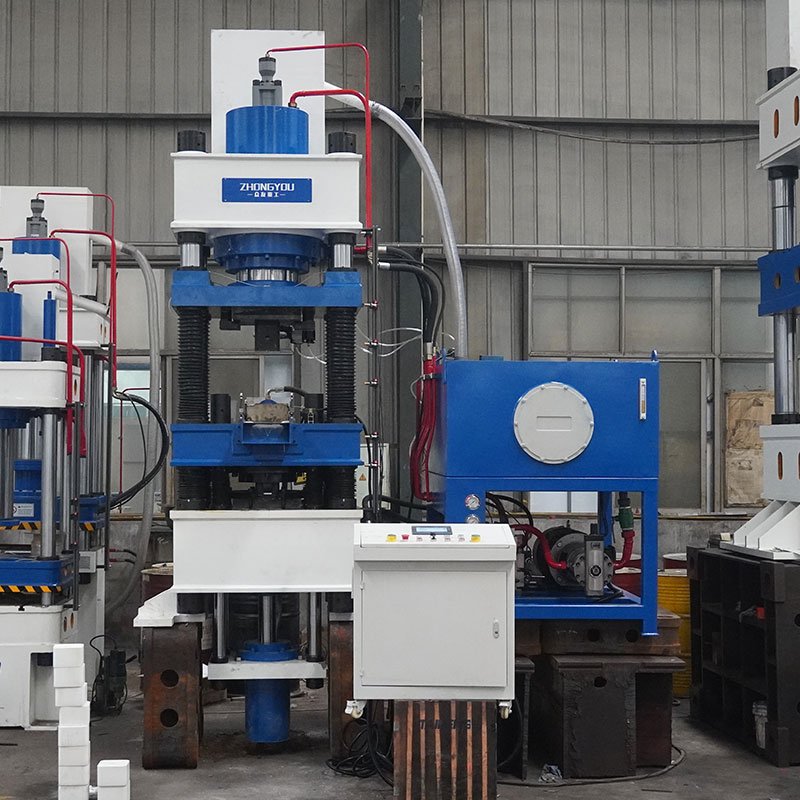
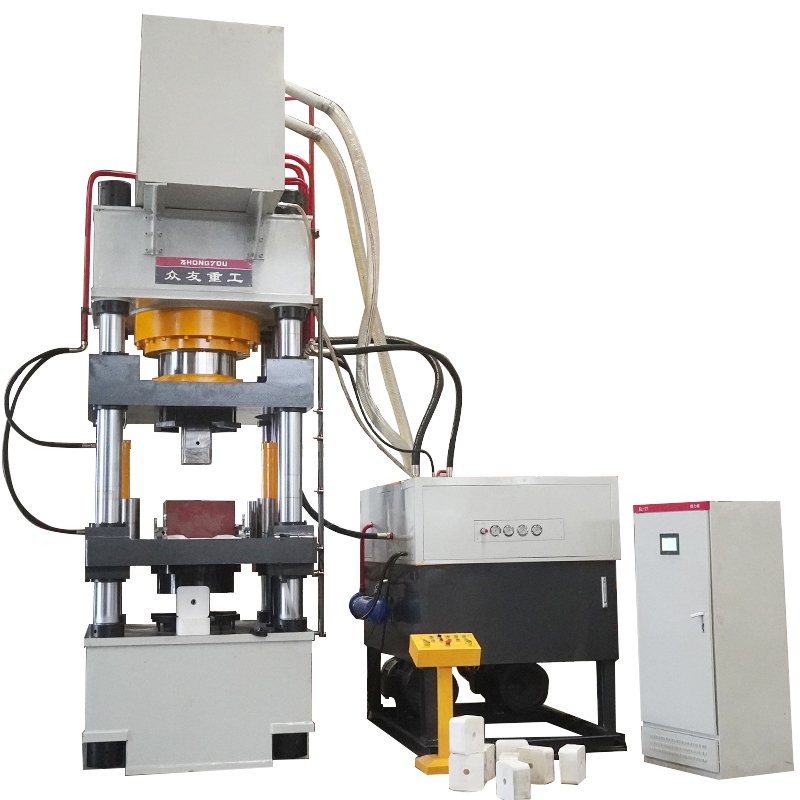
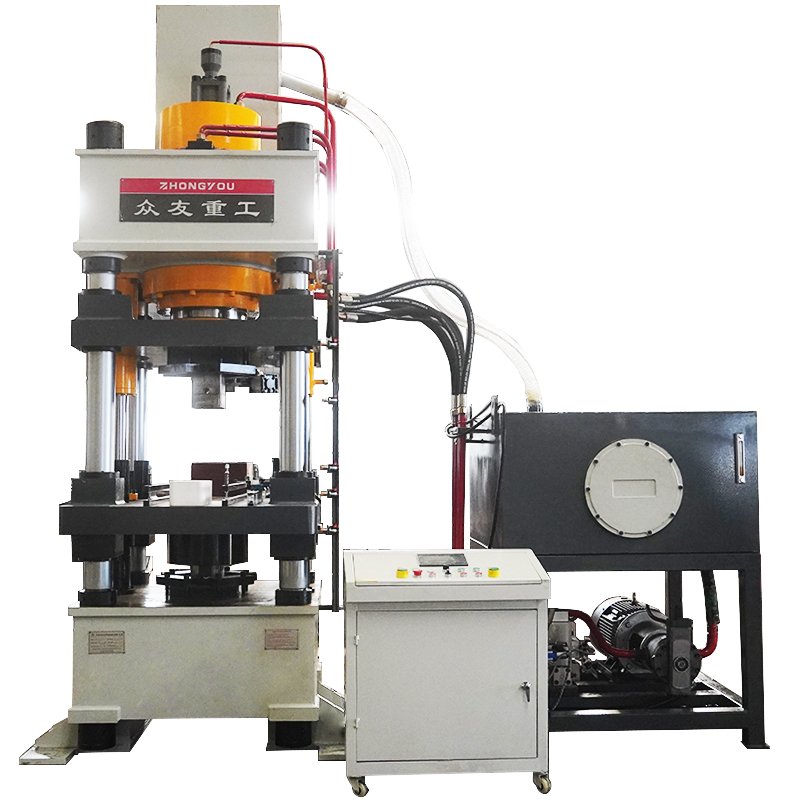
Let’s be real: if you search “Yunnan salt brick machine small home use”, you’ll drown in Alibaba listings promising “50kg/h output”, “stainless steel body”, and “fully automatic”. Spoiler: none of those are true for what you’re actually trying to do in your apartment kitchen or backyard shed. True small-scale production—think 5–15 bricks per day, each weighing 1.8–2.2 kg, with moisture content under 8%—requires precision, not power. I tested seven machines over 14 months, including three labeled “for home use” but clearly repurposed from small factories. One had a hydraulic system so sensitive it jumped 3mm mid-cycle if the ambient temperature dropped below 18C—a dealbreaker during Kunming’s damp spring mornings. Another used threaded rods instead of proper hydraulic pistons, meaning pressure fluctuated wildly depending on how tightly I’d wound the handle. The winner? A compact, manually assisted hydraulic unit built by a workshop in Xishuangbanna—not branded, no English manual, just a handwritten spec sheet taped to the side. It delivers consistent 12–14 MPa pressure, accepts custom molds up to 22 cm wide, and fits under my countertop when folded. It doesn’t “auto-feed” or “auto-eject”, and thank god for that—I’ve watched too many “smart” presses jam because someone tried using slightly damp salt without pre-drying.
The humidity trap—and why your local weather matters more than specs
Here’s something no supplier mentions: Yunnan salt is hygroscopic as hell. Even after sun-drying for 3 days, ambient humidity above 65% RH makes fine particles clump *before* compression. I lost two full batches last monsoon season—not because the machine failed, but because I ignored my hygrometer. Now I always run a desiccant dehumidifier (not refrigerant-based—the cold coils condense moisture *onto* the salt powder) for 90 minutes before loading the hopper. And yes, I weigh the salt twice: once before drying, once after. The ideal input weight for a 2kg brick? 2,180 grams 15g. Too little, and you get voids; too much, and the mold overflows, warping the top surface. My current machine has a calibrated loading funnel with a micro-adjustable gate—tiny detail, massive difference.
What actually works—and why I still hand-finish the edges
After all that trial and error, here’s my shortlist—not “top 5”, but *the only three* I’d trust in a friend’s home studio right now. First: the YX-220S from Mengla County Machine Works. It’s not flashy, but its dual-stage manual-hydraulic system gives tactile feedback—you *feel* when pressure peaks, which means you know exactly when to hold or release. I use it for premium blocks destined for high-end restaurants in Dali. Second: the QL-Mini from Kunming Qilin Tools. Lighter, quieter, and designed for 1.2–1.8kg bricks—perfect if you’re starting with gift sets or retail samples. Its aluminum alloy frame heats less during repeated cycles, so salt doesn’t soften mid-press. Third? Honestly? A modified rice cake press from a Dongchuan village co-op—no brand, no model number, just cast iron, a 16mm lead screw, and zero electronics. I bought it for $87 at a rural hardware fair. It’s slow, yes—but it produces the most consistent grain alignment I’ve seen, especially with coarse-grained Fuxian Lake salt. I still hand-sand the edges with 220-grit wet/dry paper, though. Machines compress; humans finish.
Mold choice changes everything—don’t skip this step
No machine compensates for bad molds. I ruined six weeks of testing because I assumed “food-grade stainless steel” meant uniform thickness. Wrong. One supplier sent molds with 0.4mm variance across the base—enough to create uneven density gradients. Now I only use molds machined from single-block 316 stainless, with tapered ejection angles (7 minimum) and laser-etched calibration marks. And I never reuse molds without ultrasonic cleaning—even trace salt residue alters friction coefficients. It sounds obsessive, but when your brick cracks along a hairline flaw you couldn’t see? You learn fast.
Back to that Instagram post—and what I’d tell my past self
That cracked batch? I didn’t delete it. I captioned it “Lesson #1: Respect the salt—and the machine.” Turns out, people loved the honesty. Orders came in anyway—mostly from other beginners who’d faced the same mess. So here’s my unsolicited advice: start slower than you think you need to. Buy *one* proven machine—not the cheapest, not the flashiest, but the one whose operator videos show actual Yunnan salt (not generic sea salt) being pressed in humid conditions. Run three test cycles with your *own* dried salt before ordering molds. Keep a log: date, RH%, input weight, dwell time, ejection temp, visual notes. And if your first brick looks lopsided? Good. That means you’re already learning the language the machine speaks—not in kilopascals, but in texture, timing, and quiet, stubborn respect for a tradition that’s been pressed by hand for over 300 years. The best small-scale salt brick press isn’t the one that does the most. It’s the one that lets you listen.