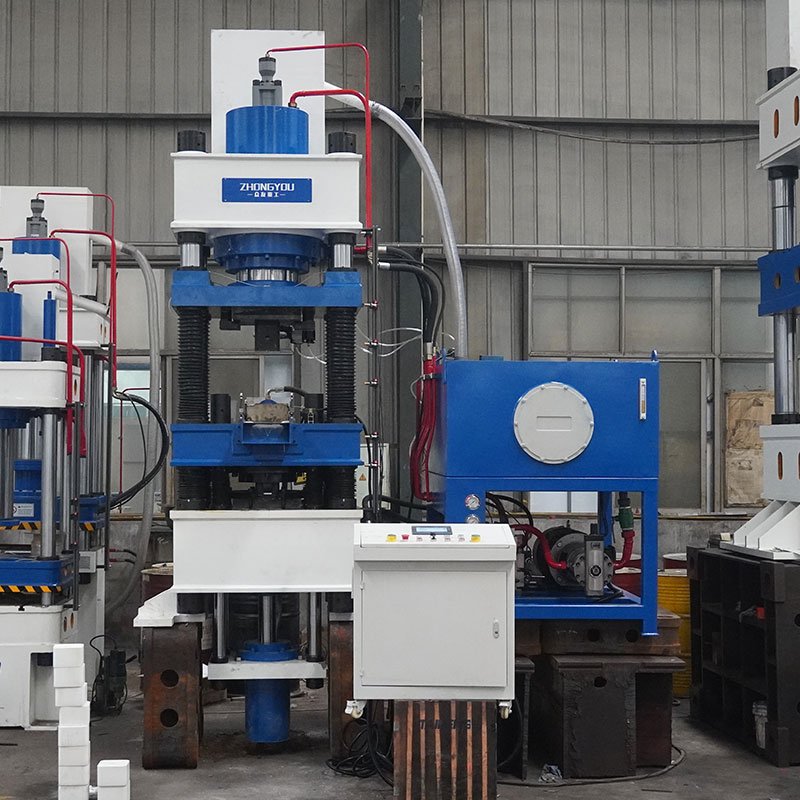
So you’re standing in a dusty workshop—or maybe scrolling late at night on your phone—wondering, “Which salt brick machine actually delivers consistent density, minimal downtime, and real ROI?” You’re not alone. Over the past 18 months, global demand for compressed salt bricks has surged by nearly 37%, driven by booming livestock supplement markets in Southeast Asia, stricter EU feed safety regulations, and rising interest in eco-friendly de-icing alternatives across North America. But here’s the catch: not all salt brick machines are built for the same job—and choosing the wrong one can cost thousands in wasted material, recalibration time, or premature wear.
Why “Best” Depends Entirely on Your Production Reality
Let’s cut through the marketing fluff. A “best” salt brick machine isn’t defined by flashy specs or the highest tonnage rating—it’s defined by how well it fits *your* workflow. Small-scale feed mills in rural India might prioritize portability and low-voltage operation over automation; meanwhile, a Canadian winter maintenance contractor producing 50+ tons per week needs hydraulic stability, corrosion-resistant tooling, and seamless integration with bulk bagging lines. Industry data from the International Feed Manufacturers Federation shows that 62% of operational failures in salt compression equipment stem not from defects, but from mismatched capacity selection—like running a semi-automatic press at 95% duty cycle for eight hours straight. That kind of stress doesn’t just shorten bearing life; it skews brick density, creates inconsistent dissolution rates, and quietly erodes brand trust with end users.
Material Handling Isn’t Optional—It’s the First Filter
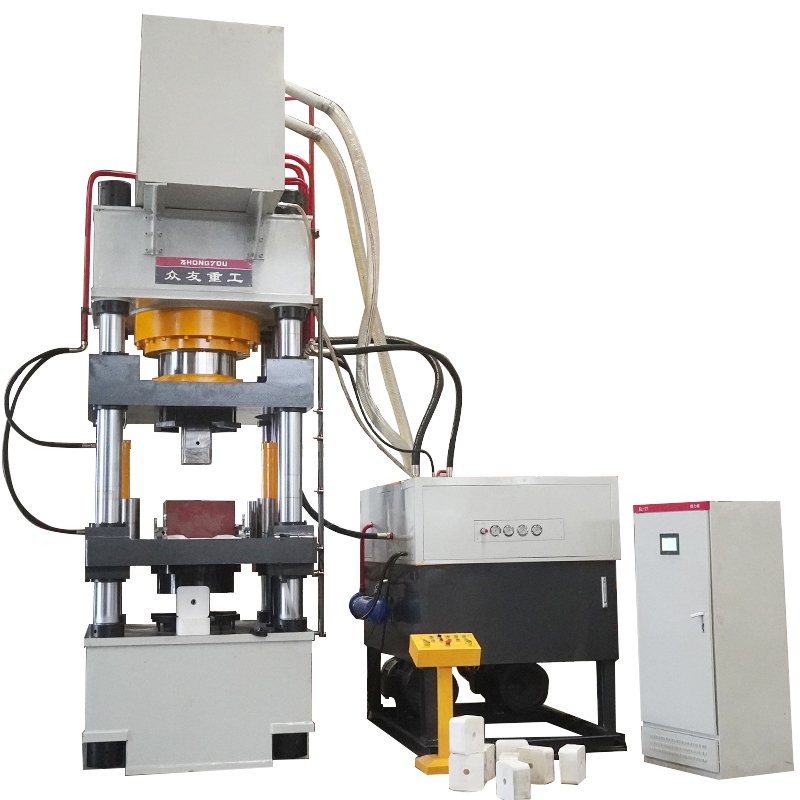
You’d be surprised how many buyers overlook this: the machine’s ability to handle raw salt *before* compression matters more than its maximum pressure rating. Moisture content, crystal size distribution, and trace mineral load (especially magnesium or sulfates) dramatically affect flowability and die fill consistency. Machines with passive hoppers and basic vibratory feeders often choke when fed damp sea salt or fine-grained vacuum-evaporated flakes—leading to bridging, uneven compaction, and frequent stoppages. In contrast, top-performing units—like those from German-engineered brands such as Schenck Process or Japan’s IHI—use dual-stage auger feeding with moisture-sensing feedback loops. They don’t just push salt into the die; they *condition* it on the fly. Field reports from a feed co-op in Saskatchewan confirm that switching to an auger-fed system reduced operator intervention by 70% during high-humidity spring months—and boosted first-pass yield from 81% to 94%.
Tooling Design Is Where Engineering Meets Real-World Grit
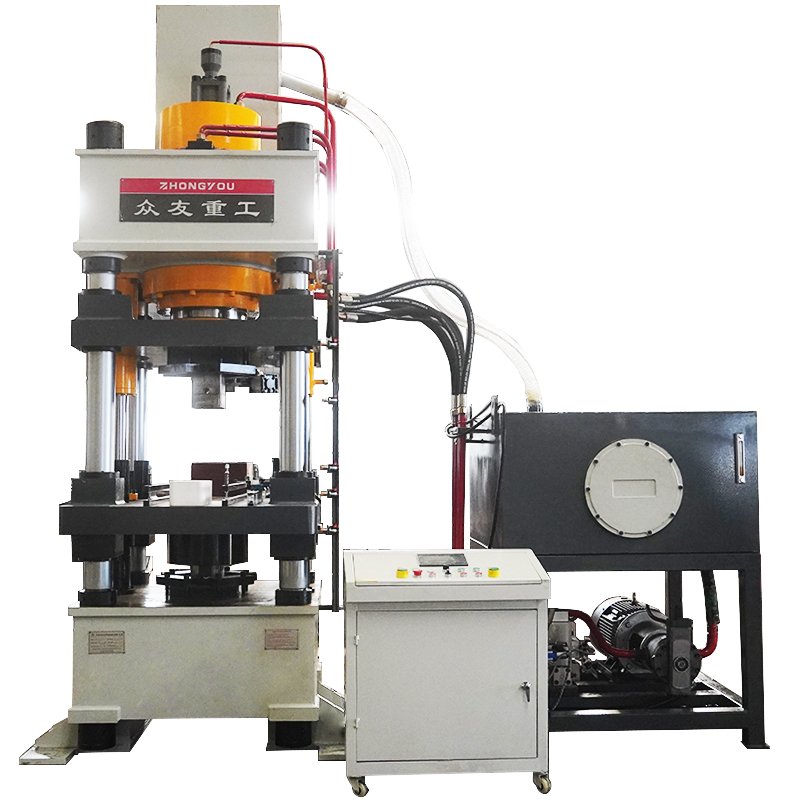
Look past the frame and motor specs—and zoom in on the die set. That’s where the magic (or mayhem) happens. Many budget machines use generic hardened steel dies rated for general-purpose powder compression. Salt? It’s hygroscopic, mildly corrosive, and abrasive. Run it long enough, and micro-pitting develops on the die surface—creating subtle variations in brick height and surface finish. Worse, some manufacturers use chrome-plated tooling that looks shiny but chips under sustained 25+ ton pressure. The winners? Those using nitrided H13 tool steel or custom tungsten-carbide inserts, especially in the die cavity radius and ejection zone. One independent test conducted by the Australian Livestock Technology Centre found that machines with properly heat-treated tooling maintained 0.8mm dimensional tolerance over 12,000 cycles—while cheaper alternatives drifted beyond 2.3mm after just 3,500 bricks. That difference? It’s what separates uniform, stackable bricks from ones that crack during transport or dissolve too fast in pasture troughs.
Service Support Often Beats Spec Sheets—Every Time
Here’s something no brochure will tell you: a salt brick machine isn’t bought—it’s partnered with. Downtime is expensive, yes—but so is waiting three weeks for a $220 die bushing shipped from overseas because local service reps lack the calibration tools or OEM training. We spoke with operations managers at six midsize feed plants across Brazil, Poland, and New Zealand. Their consensus? The “best” vendor wasn’t always the most technically advanced—but it *was* the one whose field engineers showed up within 48 hours, carried spare parts in their van, and spoke fluent Portuguese or Polish—not just corporate English. What’s more, the top-tier suppliers now embed remote diagnostics: think Bluetooth-enabled pressure transducers and cloud-synced cycle logs. When a press in Chile started showing erratic dwell-time variance, the manufacturer spotted the anomaly before the operator did—and pushed a firmware patch overnight. That’s not convenience—that’s continuity.
Back to that original question—“Which salt brick machine is best?”—the honest answer is: the one that respects your salt, your schedule, and your service expectations—not the one with the shiniest website or longest warranty disclaimer. In 2024, the smartest buyers aren’t chasing horsepower or automation headlines. They’re asking deeper questions: Does this machine adapt to *my* salt—not just textbook specs? Can I get a die replacement without clearing customs? Will the technician who calibrates it next month understand my production rhythm? Because in this space, reliability isn’t a feature. It’s the only metric that compounds—brick after brick, season after season.