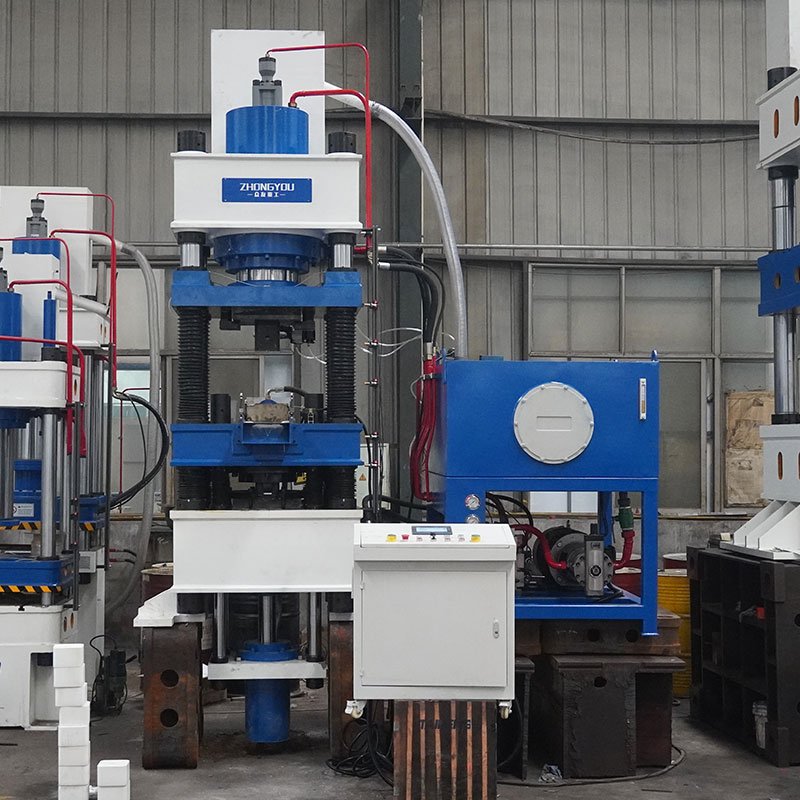
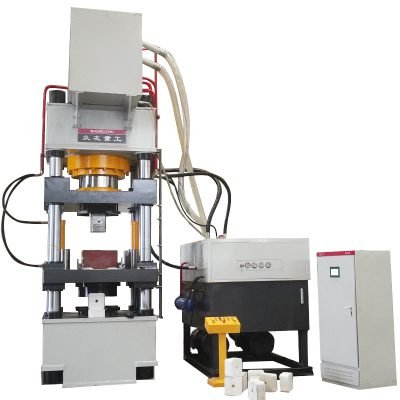
Let’s be honest—buying a salt brick machine isn’t like ordering office supplies online. You’re investing thousands, sometimes tens of thousands, into equipment that’ll shape your entire production line. Yet so many buyers end up stuck with machines that overheat after three months, controllers that glitch during humid monsoon season, or after-sales support that replies to emails… six weeks later. I’ve seen feed mills in Vietnam scrap entire batches because their “industrial-grade” press couldn’t handle coarse Himalayan crystal. I’ve watched dairy co-ops in Kenya retrain staff twice because the manual was translated from Mandarin via Google Translate—and missing half the safety warnings. It’s frustrating, avoidable, and frankly, expensive.
Why “Reliable” Isn’t Just About the Brochure
Here’s the uncomfortable truth: most salt brick machine manufacturers look identical on paper. Same voltage specs, same claimed capacity, same glossy photos of stainless steel housings. But reliability lives in the gaps—the tolerances in gear meshing, the thermal stability of hydraulic seals, the responsiveness of local service engineers when your 3 AM shift hits a pressure drop. A factory might have ISO 9001 certification, sure—but does that certificate reflect how they test every hydraulic pump before shipping? Or is it just framed beside the reception desk? I once visited a supplier in Jiangsu who proudly showed me their “certified clean room”—only to find it was a repurposed storage closet with a fan and a plastic curtain. Real reliability isn’t stamped on paper. It’s baked into material traceability, documented failure-mode analysis, and technicians who speak your language *and* understand your water hardness.
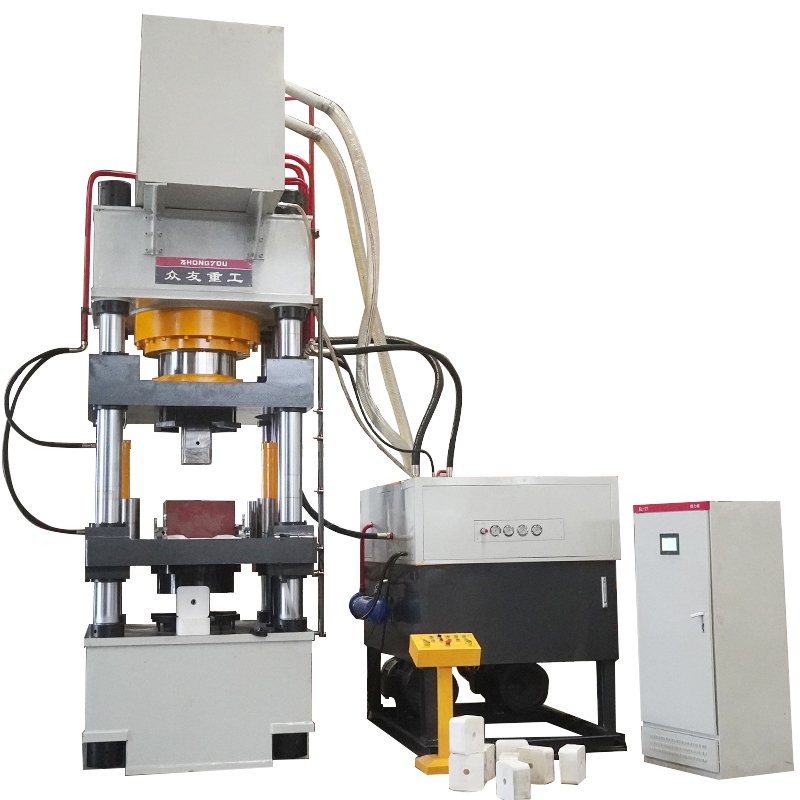
Why do so many buyers confuse “low price” with “good value”? Because quoting is opaque. One manufacturer lists “stainless steel frame”—but doesn’t specify whether it’s 304, 201, or a coated carbon steel that rusts under saline dust. Another advertises “2000 kg/h output,” but only under lab-perfect conditions: 98% dry, pre-sieved salt, ambient temperature of 25C, zero vibration. In real-world feed plants? Humidity swings, raw salt with clay impurities, uneven power supply—all of which throttle actual throughput by 30–45%. That gap between spec sheet and soil-level reality? That’s where trust gets tested.
How to Spot the Real Deal—Without Visiting the Factory
You don’t need to fly to China or Turkey to vet a salt brick machine maker—but you *do* need to ask questions that expose operational honesty. Not “Do you offer warranty?” (everyone says yes), but “Can you share the last three service logs for machines installed in tropical coastal environments?” If they hesitate—or send generic PDFs instead of anonymized, timestamped reports—you already know something’s off. I always request video walkthroughs of their final assembly line: watch how they torque the main shaft bearing, whether operators use calibrated torque wrenches or just “feel it right.” Listen closely when they describe spare parts availability. A trustworthy supplier won’t say “We ship fast.” They’ll name the port, the average DHL transit time to Lagos or Santiago, and whether critical spares like piston seals are held in regional hubs—not just in Dongguan.
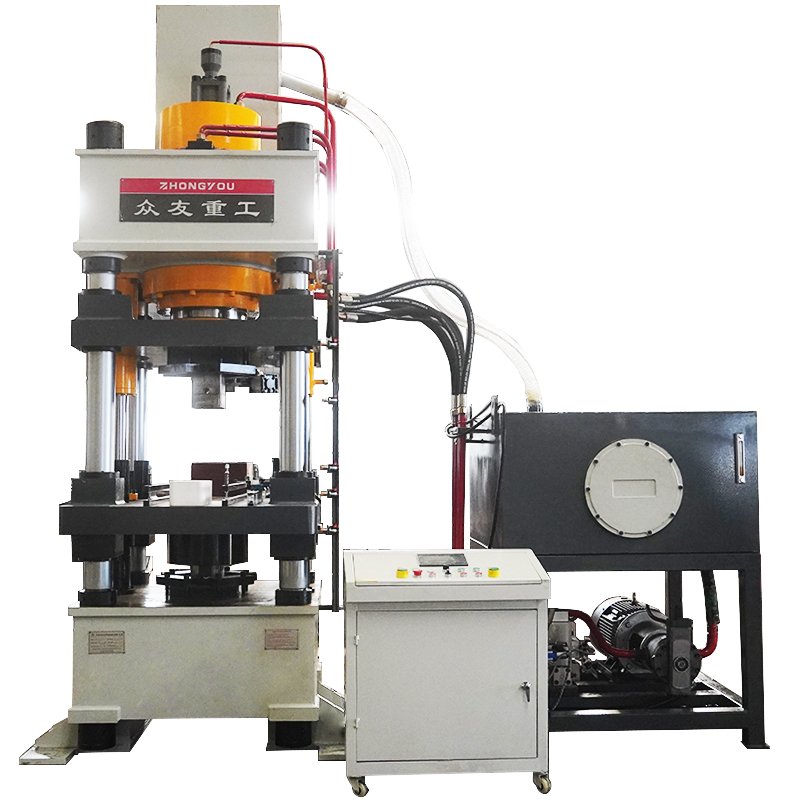
What if they refuse to share client references in your region? Red flag—big one. Not because they’re hiding failures, but because they likely haven’t *had* clients there yet. Real manufacturers love referencing case studies: “We supplied two presses to a goat-farm co-op in Oaxaca last year—they run 16 hours/day, using locally mined sea salt with 12% moisture. Here’s their maintenance log and yield data.” If all references are vague (“a major agri-business in Southeast Asia”) or dated before 2020, walk away. Also—beware of “customization promises” that sound too easy. “Yes, we can add IoT monitoring!” sounds great—until you realize their PLC firmware hasn’t been updated since 2019 and can’t integrate with your existing SCADA system. Ask for screenshots of the actual interface running live—not a mockup.
Look, choosing a salt brick machine manufacturer isn’t about finding the cheapest quote or the flashiest website. It’s about finding the partner whose engineering habits match your operational rhythm. Do they design for repairability—or planned obsolescence? Do their manuals include torque specs *and* troubleshooting flowcharts for common field issues like salt bridging in the hopper? Have they stress-tested their hydraulics at 45C ambient, not just 25C? I’ve stopped counting how many clients told me, “We chose based on lead time,” only to spend double that time later debugging firmware bugs or waiting for a single $17 O-ring shipped from overseas. Prevention isn’t glamorous—but it pays dividends in uptime, yield consistency, and peace of mind. Next time you’re comparing quotes, skip the first page of specs. Flip to page 12: the maintenance schedule, the part numbering system, the escalation path for technical support. That’s where the real story lives—and where your long-term ROI quietly begins.