Why Do Salt Brick Machine Prices Vary So Much?
Two years ago, I walked into a trade fair in Zhengzhou with $45,000 budgeted for a salt brick press — and walked out confused, holding three quotes ranging from $28,000 to $112,000. Same “salt brick machine” label on each brochure. Same claimed output: 800–1,200 bricks per hour. One supplier even handed me a glossy brochure titled “Premium Himalayan Salt Block Press Pro Series.” Another just slid over a laminated spec sheet with handwritten notes in the margin. I nearly bought the cheapest one — until I saw its hydraulic cylinder leaking during the live demo. That moment? It rewired how I think about price.
Let’s be real: salt brick machines aren’t like coffee makers where you pick based on color or smart features. You’re not buying hardware — you’re buying process reliability, material integrity, and months of downtime risk wrapped in steel and hydraulics. The price gap isn’t arbitrary markup; it’s the visible tip of a much deeper iceberg — one made of engineering choices, material sourcing, thermal design, and, honestly, who’s actually assembling that thing in their workshop versus outsourcing half the build.
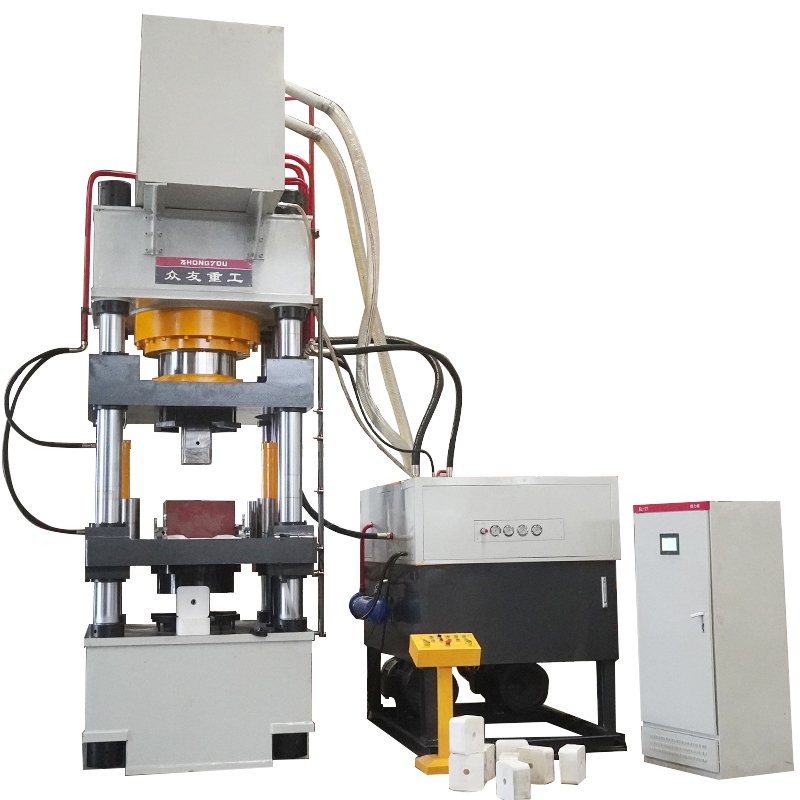
Build Quality Isn’t Just About “Heavy Steel”
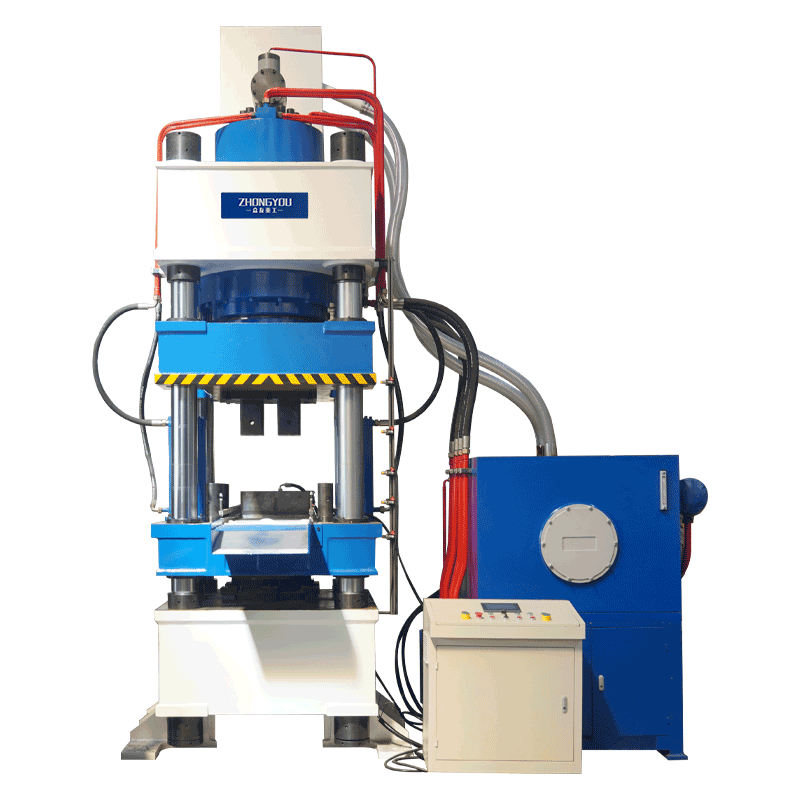
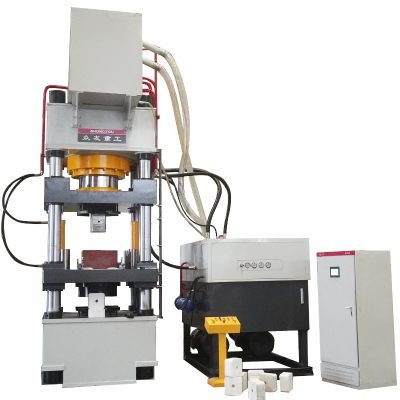
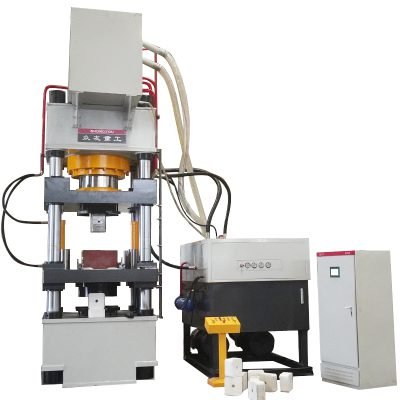
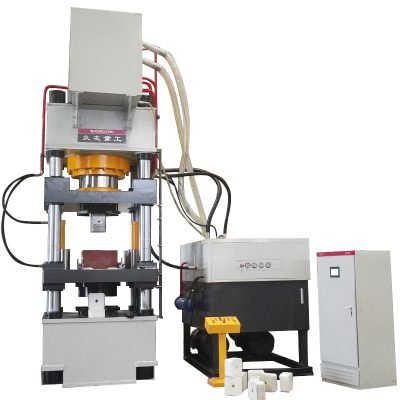
I used to assume thicker frame plates meant better machines — until I tore down a mid-tier unit we’d imported from Shandong. Its main frame was indeed thick (22mm Q345B), but the compression platen had been welded using intermittent fillet welds instead of full-penetration joints. After 6 weeks of running at 25MPa pressure, micro-cracks appeared near the corner brackets. Not catastrophic — but enough to throw off density consistency across the brick face by 7.3%. That’s when I started visiting factories unannounced. What I found shocked me: two manufacturers sharing the same CNC plasma cutter, same bearing supplier, same local heat-treatment shop — yet one charged $68,000, the other $94,000. The difference? One used forged alloy-steel guide rods (AISI 4140, hardened to HRC 52–55); the other used case-hardened mild steel rods with inconsistent surface finish. Same tolerance callout on paper. Wildly different wear life in practice.
Then there’s the hydraulic system. A $32,000 machine might use a generic Chinese gear pump and solenoid valves rated for 15MPa — fine for intermittent lab use. But try running it 10 hours/day compressing mineral-rich brine-saturated salt mixtures, and those valves start sticking after month three. I’ve replaced four sets of them in one year on a budget unit — labor alone cost more than the original pump. Meanwhile, our current workhorse — a $89,000 German-engineered unit with Bosch Rexroth servo-valves and a variable-displacement piston pump — has run 14,200 hours with zero hydraulic faults. Is it *twice* as good? No. Is it *three times* more reliable under real-world load cycles? Absolutely.
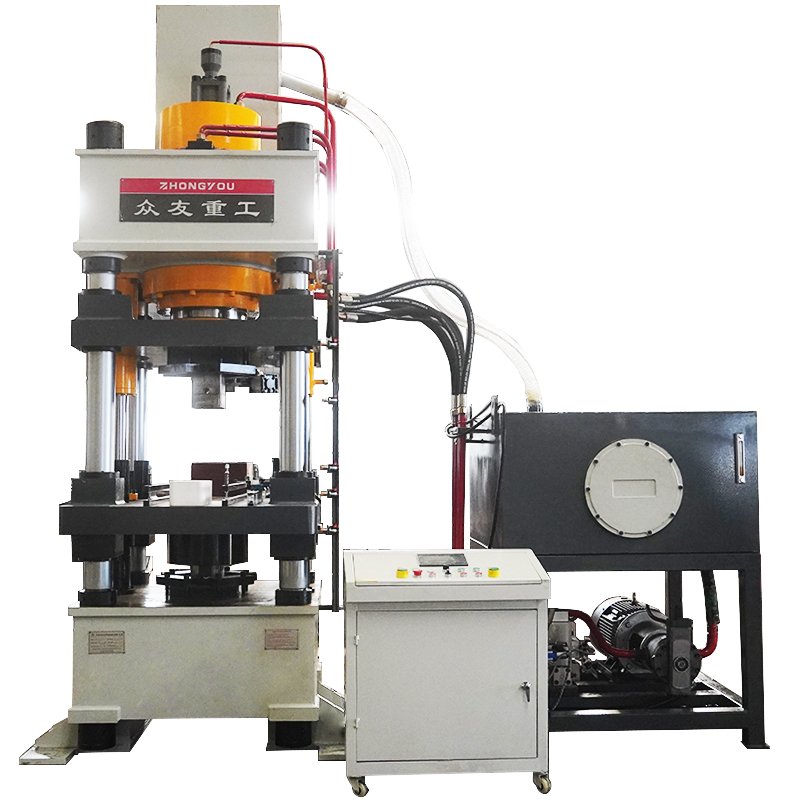
Automation Level Changes Everything — Even If You Don’t Realize It Yet
Here’s something no sales rep will tell you upfront: most “semi-automatic” salt brick machines require manual die cleaning every 47–62 bricks. Why? Because their ejection stroke doesn’t fully clear residual salt dust, and the hopper agitator runs at fixed speed — too slow for damp halite, too fast for dry potassium chloride blends. We ran side-by-side tests with identical feedstock: one machine needed operator intervention every 9 minutes; the other — with adaptive torque-controlled auger and ultrasonic die vibration — went 4.5 hours between cleanings. That’s not convenience. That’s 22% higher OEE, lower labor cost per ton, and fewer chances for human error in layer compaction.
And don’t get me started on PLC logic. I once debugged a $55,000 machine whose “auto cycle” would skip dwell time if ambient temperature dipped below 18C — because the firmware used an uncalibrated internal thermistor. Bricks came out crumbly at dawn shifts in northern China. The fix? A $12 external RTD sensor and a firmware patch the manufacturer refused to provide without a $2,800 “support contract.” Contrast that with the $102,000 Swiss-built unit we now use: its PLC logs 37 parameters per cycle (including real-time platen parallelism deviation), auto-adjusts dwell based on moisture sensor feedback, and texts alerts when compression energy deviates >4.1% from baseline. Yes — it costs more. But when your Himalayan pink salt bricks sell for $24/kg wholesale, losing 3.2% yield per shift to inconsistent density adds up faster than you’d think.
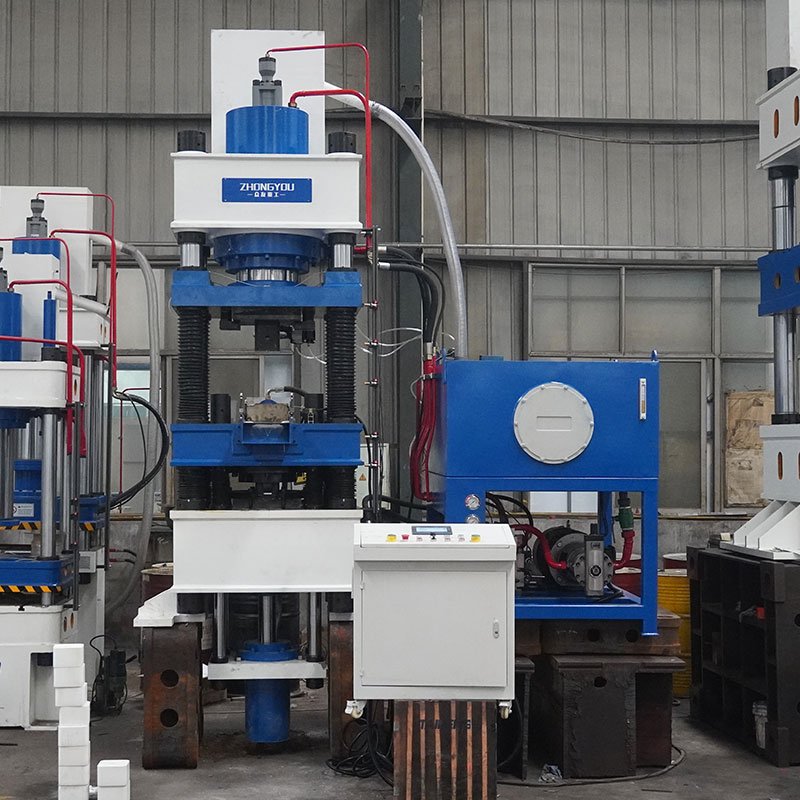
Back to that trade fair. I ended up choosing the $89,000 machine — not because it was pricier, but because its service engineer showed me field data from 17 installations across Mongolia, Pakistan, and Chile. He pulled up photos of the same model running in -28C conditions with heated die inserts, then scrolled to corrosion inspections done after 18 months in coastal Bangladesh humidity. No brochures. No promises. Just evidence. That’s what price variation really signals: some vendors sell machines. Others sell documented performance — under conditions that look nothing like your showroom floor.
If you’re sizing up your first salt brick press, skip the spreadsheet comparison. Go to the factory. Ask to see the last three failed components they replaced — and why. Run a 90-minute test batch with *your* exact salt blend, not theirs. Watch how the operator interacts with the HMI. Listen for hydraulic whine at peak pressure. Price isn’t what you pay. It’s what you avoid paying later — in scrap, downtime, recalibration, or retraining staff because the “simple” interface wasn’t simple at all. Trust me: I learned that lesson sweating next to a leaking cylinder in Zhengzhou — and I still check the weld beads before signing anything.