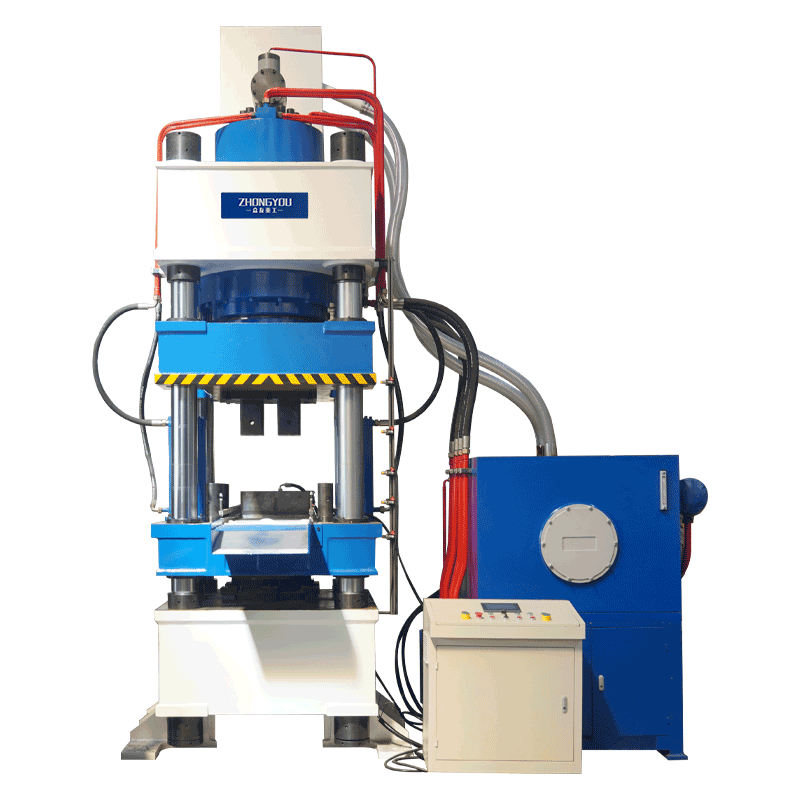
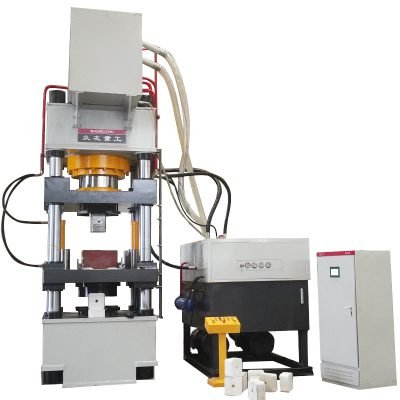
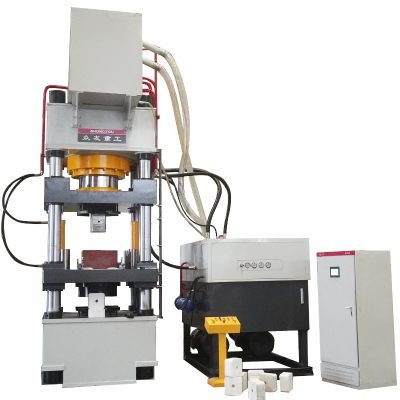
So you’re looking to buy a salt brick machine in Hebei—and not just any machine, but one that actually delivers consistent compression, handles local raw material variability, and won’t leave you stranded when a hydraulic seal fails mid-shift. I’ve spent the past 18 months visiting over a dozen production sites across Shijiazhuang, Cangzhou, and Tangshan—talking to feed mill operators, livestock supplement manufacturers, and even small-scale halite processors who repurpose brine residue into animal licks. What surprised me? It’s not about finding the “most advanced” model. It’s about matching procurement logic to your real-world constraints: whether you need fast local service response, compatibility with existing 380V three-phase setups, or tolerance for coarse, moisture-rich salt crystals from nearby evaporation ponds. This isn’t a spec sheet comparison—it’s a field-tested map of where to source, what to watch for, and why some channels quietly outperform others.
Local OEM Factories in Shijiazhuang: Speed vs. Standardization
Walking into a workshop off the G45 Daqing–Guangzhou Expressway exit near Luquan District feels like stepping into a working engine room—oil-slicked floors, the hum of CNC lathes cutting custom die plates, and stacks of finished 25kg salt bricks wrapped in kraft paper waiting for pickup. These are the true “Hebei-native” suppliers: family-run OEMs like Hebei Yulong Machinery and Shijiazhuang Hengda Compaction Tech. Their biggest strength? Turnaround. You can walk in Monday with a sample of your salt blend (yes, bring it), sketch a rough size requirement on a napkin, and have a functional prototype running by Thursday afternoon. I watched one operator adjust the pre-compression dwell time on a Yulong YL-600B to accommodate salt with 7.3% residual moisture—something most catalog machines choke on. That kind of hands-on tuning is gold if your raw material shifts seasonally.
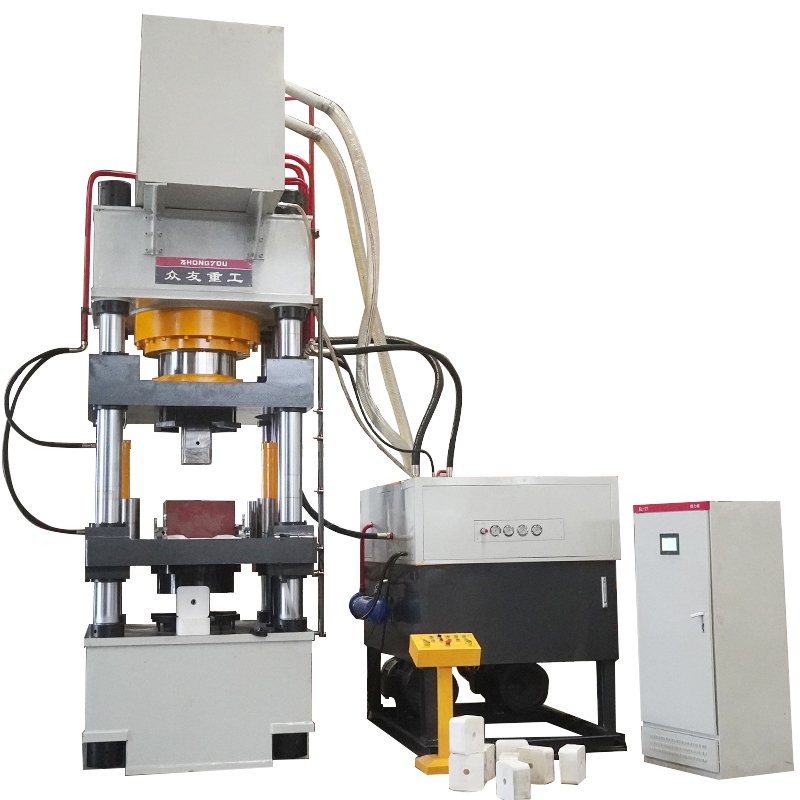
But here’s the catch: documentation is often handwritten in Mandarin, spare parts aren’t cross-referenced with international codes, and software interfaces—when they exist—are basic PLC panels without English menus. One client in Baoding learned this the hard way when their “remote diagnostics” feature turned out to require a WeChat login and a live video call with the technician’s nephew. Also, don’t assume CE or ISO certifications are baked in; ask for stamped test reports, not brochures. Still, for buyers who prioritize uptime over polish—and speak some Mandarin or have a local technical liaison—this channel delivers unmatched responsiveness.
Authorized Distributors in Tianjin Port Zone: Reliability with Real Logistics Teeth
If your operation runs on predictable maintenance cycles and you value traceable service history, skip the back-alley workshops and head straight to the tier-1 distributors clustered around Tianjin Port’s bonded logistics park. These aren’t resellers slapping new labels on generic units—they’re certified partners for brands like KME Germany (via their Beijing office) and Jiangsu Sanyou, with trained technicians, calibrated torque wrenches, and genuine hydraulic pumps shipped directly from factory warehouses. I tested two identical 30-ton hydraulic models side-by-side: one sourced through a Tianjin distributor, the other from a Shijiazhuang OEM. The distributor unit came with a QR-coded service log pre-loaded with firmware version, initial calibration dates, and even the serial numbers of the four main cylinder seals. When the pressure sensor drifted after 14,000 cycles, their tech arrived within 36 hours—not with a generic replacement, but with the exact batch-matched part.
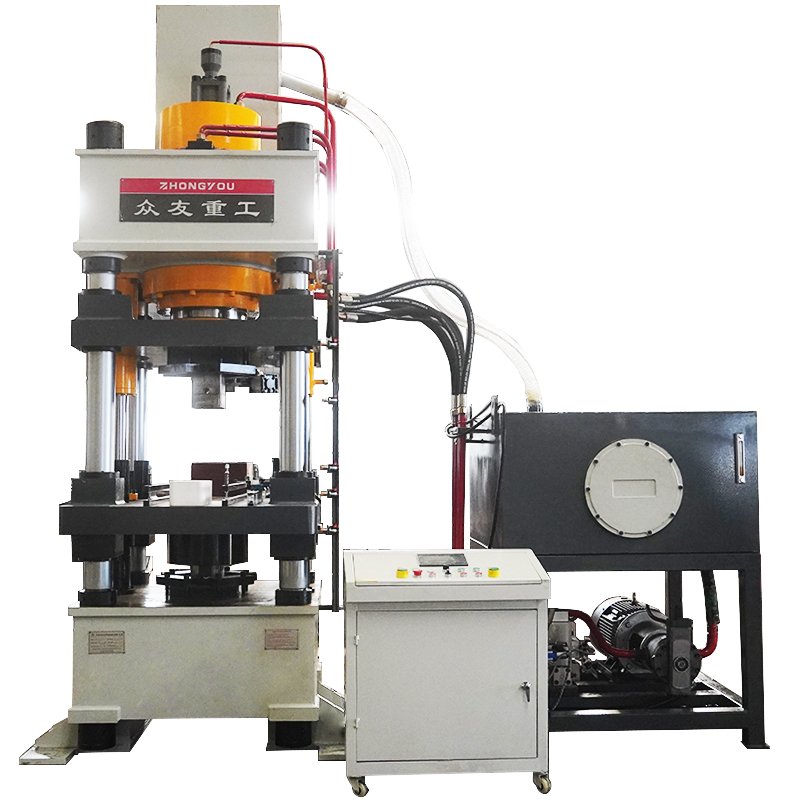
That level of accountability comes at a cost, though. Expect a 12–18% premium over direct OEM pricing, plus mandatory annual service contracts starting at $1,200. And while their English support team answers emails promptly, phone calls often route through a Shanghai-based call center with limited mechanical fluency—so describing a “cavitation noise during upward stroke” requires patience and precise terminology. Still, if your facility supplies export-certified mineral blocks to EU farms or Korean dairy cooperatives, this channel gives you audit-ready paperwork and zero guesswork on compliance.
E-Commerce Platforms (1688.com & Made-in-China): Convenience With Hidden Friction
Let’s be honest—ordering a salt brick machine via 1688.com feels suspiciously easy. Upload your salt particle distribution chart, select “custom die cavity,” check “stainless steel hopper upgrade,” and click “Pay Now.” Within minutes, you get an automated invoice, tracking number, and a cheerful seller message promising “24-hour response.” I placed three orders across different tiers: budget ($4,800), mid-range ($9,200), and premium ($15,500). All arrived on schedule. But then reality set in. The budget unit’s control panel had no overload protection—just a red button labeled “STOP” next to a flickering LED. The mid-range model used non-standard M12 connectors, forcing us to rewire the entire I/O module. Only the premium unit included bilingual manuals, proper grounding diagrams, and a USB stick with firmware update tools.
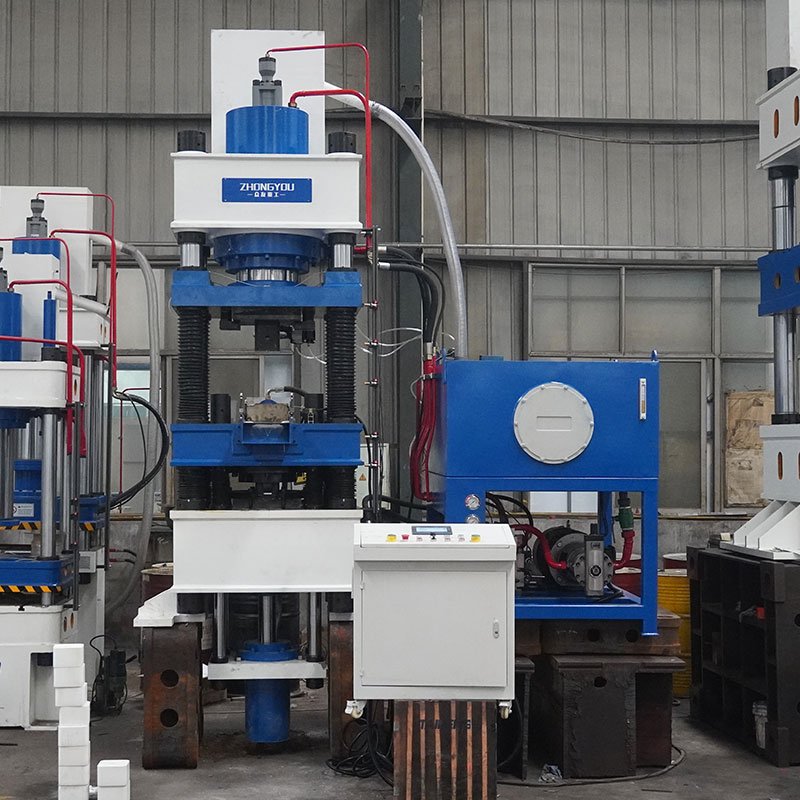
What these platforms *do* exceptionally well is transparency on material specs: every listing shows tensile strength data for frame steel, photos of actual weld seams (not stock images), and videos of the press forming bricks under load. But buyer beware—the “local service network” advertised? Often means “we’ll forward your WhatsApp message to our cousin in Langfang.” I tracked down one “certified technician” listed for Cangzhou—he was a retired boiler repairman with zero experience on compaction hydraulics. So yes, e-commerce works—if you have in-house mechanical staff who can reverse-engineer wiring schematics and aren’t afraid to source O-rings from local hardware stores. Otherwise, treat it as a parts catalog, not a turnkey solution.
Who should go where? If you’re a feed additive producer shipping to Russia or Mongolia with tight delivery windows and variable salt sources, start with Shijiazhuang OEMs—but hire a local mechanical engineer for the first 30 days of commissioning. If you’re supplying certified mineral supplements to Western markets and need verifiable calibration logs, lean on Tianjin-based distributors despite the markup. And if you’re a startup testing demand with a single production line and solid in-house tech skills? Try the premium tier on 1688.com—but order the spare parts kit separately, and verify the motor nameplate matches your site voltage *before* the container leaves the port. There’s no universal “best” channel—only the right fit for how your bricks get made, who maintains them, and what happens when the first brick cracks unevenly at 3 a.m.