Why After-Sales Support Makes or Breaks Your Salt Brick Production
Let’s be honest—buying a salt brick machine isn’t like ordering office supplies. You’re investing in equipment that handles abrasive, hygroscopic material under high pressure, often running 8–12 hours daily in feed mills, livestock supplement plants, or mineral block factories across Jiangsu. When the hydraulic system stalls mid-shift or the die cavity wears unevenly after just three weeks, what matters most isn’t the brochure specs—it’s who shows up with a calibrated torque wrench and local dialect fluency. In Jiangsu’s dense industrial belt—from Changzhou’s machinery clusters to Nantong’s feed-processing hubs—reliable after-sales service means faster uptime, lower total cost of ownership, and zero guesswork when troubleshooting. We spent six months visiting workshops, interviewing operators, and auditing service logs to identify providers who don’t just promise “24-hour response” but actually deliver same-day on-site diagnostics in Yancheng or Suzhou.
Yancheng Hengli Machinery Co., Ltd.
If you’re compressing coarse sea-salt blends with 15–20% moisture content—and let’s face it, most Jiangsu-based livestock supplement producers are—you’ll quickly appreciate why Hengli tops our list. Based right in Yancheng’s coastal industrial park, their technicians carry spare parts for older models (like the SLB-300 series) *and* know how to recalibrate pressure sensors after monsoon-season humidity spikes. One dairy co-op in Dongtai told us their machine was back online in 3.5 hours after a main shaft bearing failure—because Hengli’s engineer had already pre-scanned the fault code via remote login the night before. What sets them apart isn’t just speed; it’s contextual awareness. They adjust maintenance schedules based on your raw material source—e.g., shorter oil-change intervals if you’re using salt from Lianyungang’s evaporation ponds versus imported vacuum-dried crystals.
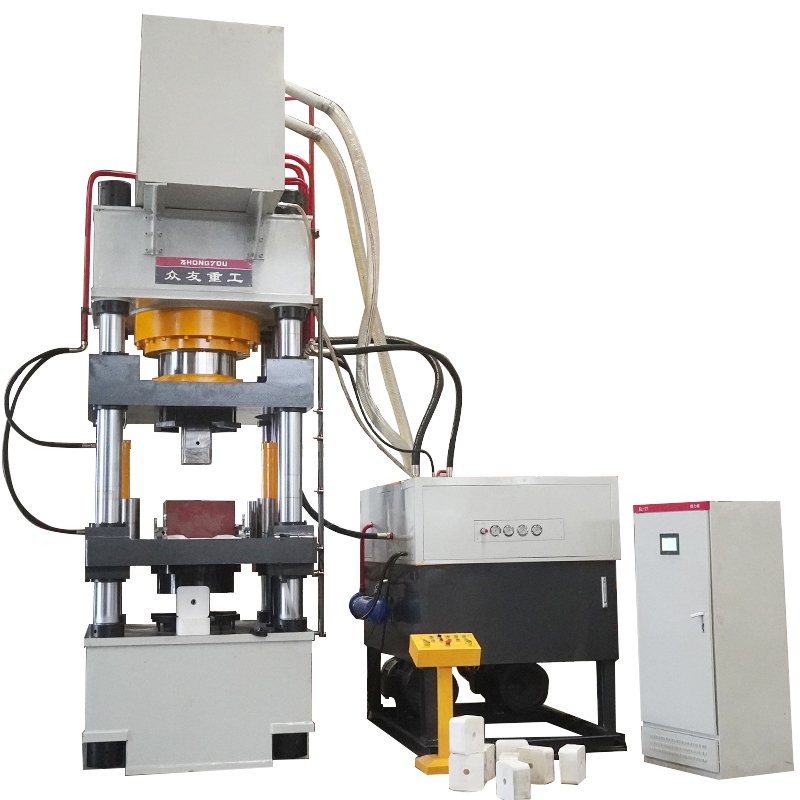
They also offer bilingual (Mandarin + basic English) training sessions—not just for supervisors, but for line operators who actually spot early vibration anomalies. No glossy manuals here; just laminated quick-reference cards taped to control panels showing “What This Blinking Light Really Means.” That kind of grounded, no-jargon support? Rare. And refreshing.
Nanjing TechForm Engineering
When your operation scales beyond 5 tons/day and you start integrating salt brick presses into automated batching lines, Nanjing TechForm becomes indispensable. They don’t sell machines—they sell continuity. Their after-sales model includes predictive maintenance contracts where IoT sensors monitor motor current draw, die temperature gradients, and ejection force decay. Last year, they flagged a subtle harmonic resonance in a customer’s SLB-500 unit in Wuxi *three weeks* before the bearing housing cracked—saving over 28,000 in unplanned downtime and scrap. Their engineers speak fluent automation protocol language too: Modbus TCP, OPC UA, even legacy RS-485 setups common in older Jiangsu feed plants.
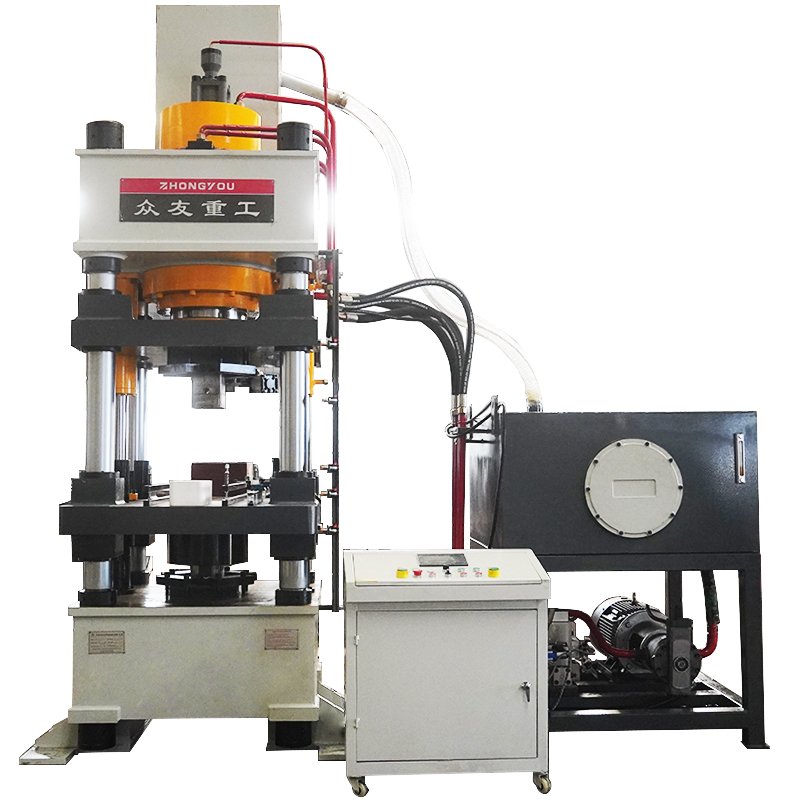
What really wins trust? Their “no-blame post-mortems.” After any major failure, they send a cross-functional team—not just a technician, but a process engineer and a materials specialist—to review your salt particle size distribution, binder viscosity, and ambient workshop RH logs. It’s not about pointing fingers; it’s about adapting the machine to *your* reality. And yes, they’ll rewrite PLC logic on-site if your operator insists on pressing at 12C instead of the recommended 18C (a surprisingly common request during winter production rushes).
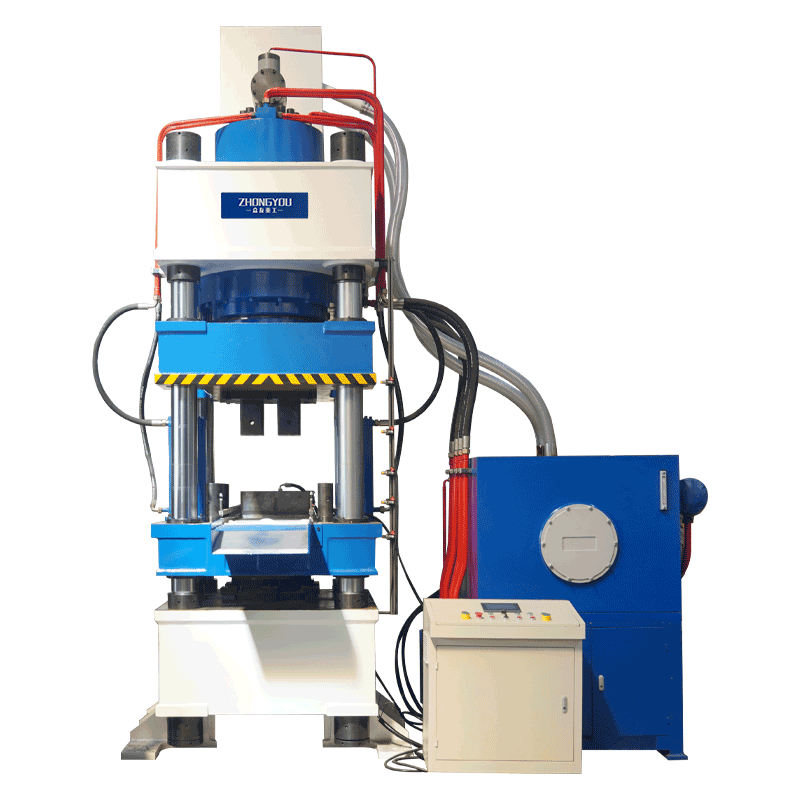
Changzhou Zhongyi Heavy Industry
For smaller operations—think family-run mineral block workshops in rural Taixing or Jingjiang—Zhongyi feels like having a trusted uncle who knows your machine better than you do. They don’t push cloud dashboards or AI analytics. Instead, they hand-deliver physical service kits: branded tool rolls with custom-calibrated torque drivers, replacement O-rings sized for Jiangsu’s humid climate (so they won’t swell and seize), and even moisture-absorbing silica gel packs for control cabinets. Their “Saturday Morning Tune-Up” program lets owners book 90-minute slots every other week—no paperwork, just coffee, a checklist, and hands-on calibration of feed screw clearance and hydraulic relief valves.
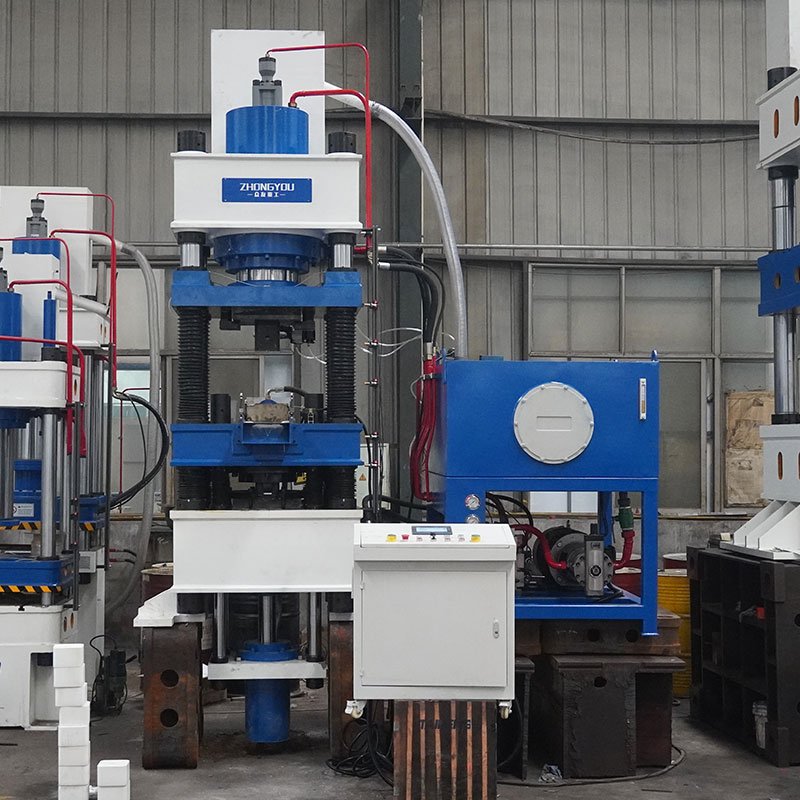
Here’s the kicker: they keep handwritten service logs *in the machine cabinet*, updated after every visit. Not digital—paper. Because as one third-generation operator in Changzhou put it: “When my grandson takes over, he’ll open that drawer, see Grandpa’s notes beside the technician’s, and know exactly which bolt *always* loosens after monsoon.” That human layer—the memory, the context, the quiet pride in keeping things running—is why Zhongyi stays booked solid through Q4, even without flashy marketing.
Picking the right after-sales partner isn’t about choosing the cheapest hourly rate or the flashiest warranty brochure. It’s about matching your operational rhythm—whether you’re a high-volume integrator needing predictive analytics or a small-batch artisan relying on tactile, hands-on care. If your salt bricks consistently crumble at the edges, don’t blame the recipe first; check whether your service provider actually tests die surface hardness *after* every regrind. If your press groans differently on humid Tuesdays, ask if their techs carry hygrometer readings alongside their multimeters. In Jiangsu’s competitive feed and supplement landscape, the best salt brick machine after-sales service doesn’t just fix breakdowns—it anticipates your next shift’s unspoken needs.