Why Metal Fabricators Across the Midwest Rely on Hydraulic Presses for Precision Bending
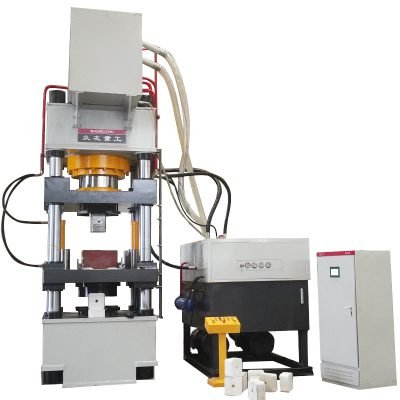
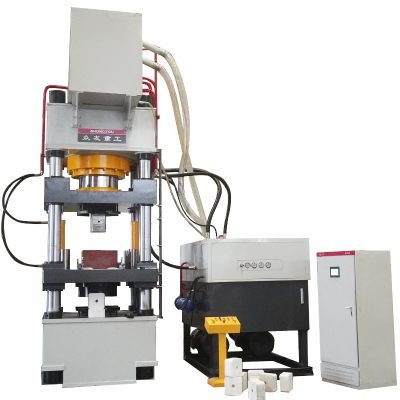
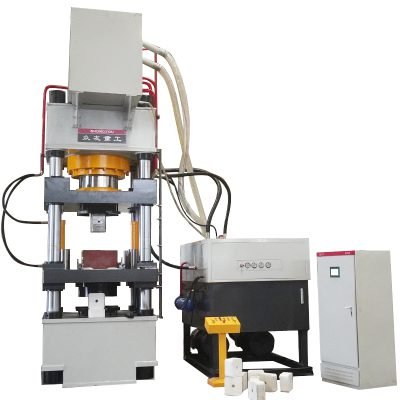
Let’s be real—bending thick steel plates or complex aluminum profiles isn’t about brute force. It’s about control, repeatability, and knowing exactly how much tonnage your job demands—no more, no less. Across industrial corridors from Ohio to Wisconsin, shops aren’t just buying hydraulic presses anymore; they’re partnering with providers who understand local lead times, seasonal shop-floor pressures, and the quiet panic of a delayed shipment holding up an entire assembly line. That’s why “hydraulic press for metal bending” isn’t just a search term—it’s a daily operational lifeline for job shops, custom welders, and OEM suppliers who serve regional manufacturers.
How We Deliver More Than Just Machines—We Deliver Confidence
We don’t ship a press and disappear. Our process starts before the order is placed: a no-pressure technical conversation—not with a script, but with someone who’s bent 304 stainless on a 200-ton frame press at 3 a.m. during a rush job. Then comes site-readiness support: checking floor load capacity, hydraulic fluid compatibility, even helping coordinate crane access if your bay door hasn’t been widened since ’98. Installation? Done by certified field techs—not subcontractors—trained on your exact model. And yes, we’ll calibrate the CNC backgauge while your team watches, then walk through three real-world bends step-by-step. No jargon. No assumptions.
What happens if the pressure sensor drifts after six months of heavy-duty bracket runs?
We carry most critical spares regionally—not just in a central warehouse, but staged within 200 miles of active service zones. If you call at 7:42 a.m. on a Tuesday, you’ll get a response before your second cup of coffee. Not “within 24–48 hours.” Before coffee. And if it’s a software glitch? Remote diagnostics are free—and we’ll often push the fix live while you watch the screen.
Do you offer training for new operators—or refresher sessions when turnover hits?
Absolutely. Not a one-size PDF manual tossed over email. We schedule hands-on, shift-specific sessions—mornings for day crews, evenings for second shift—with actual parts from your current work order. Last month, we ran a 90-minute session for a Toledo-based trailer component shop where every operator practiced bending 16-gauge channel with variable-radius tooling—then reviewed their first five production pieces side-by-side with our tech. No lectures. Just real-time feedback, real parts, real results.
Real Jobs, Real Pressures—No Anonymized Case Studies Here
Take that family-run fabricator outside Indianapolis—they do precision brackets for agricultural machinery. Their old mechanical press kept throwing alignment on 12-mm mild steel flanges, causing rework on nearly 18% of each batch. They needed a hydraulic press for metal bending that handled both high-volume consistency *and* occasional one-off prototypes. We matched them with a 160-ton servo-hydraulic unit featuring programmable dwell time and real-time tonnage feedback. Within three weeks, scrap dropped to under 2%. Bonus? Their QC inspector now uses the built-in bend angle verification logs as part of his daily sign-off—no extra measuring tools required.
Then there’s the aerospace sub-tier supplier near Milwaukee. Tight-tolerance titanium airframe brackets, tiny batches, zero margin for error. Their previous vendor insisted on sending firmware updates only during scheduled maintenance windows—every 90 days. When a last-minute engineering change came in, they were stuck waiting. We deployed over-the-air calibration patches *same-day*, verified remotely, and confirmed accuracy with a physical test bend using their own gage blocks. No downtime. No travel fees. Just solved.
Look—hydraulic press for metal bending isn’t about specs on a datasheet. It’s about whether your operator trusts the machine at 11 p.m. on deadline day. Whether your service rep knows your shop’s rhythm—the way your morning crew prefers jog mode versus inch mode, how your maintenance log notes “oil temp spikes above 58C when ambient drops below 4C.” That kind of understanding doesn’t come from algorithms. It comes from showing up, listening, adjusting, and staying local long after the invoice clears. If you’re weighing options right now—whether you’re upgrading from a manual brake, scaling up from a 60-ton unit, or just tired of chasing inconsistent angles—we’re already nearby. Reach out. Let’s talk pressing—not paperwork. Your next bend starts faster than you think.